


The historical journey of casinos from ancient games to modern entertainment hubs
Origins of Gambling in Ancient Civilizations
The history of gambling can be traced back to ancient civilizations, where games of chance played a significant role in social and cultural life. Archaeological findings suggest that as early as 3000 BCE, the Chinese were engaging in rudimentary forms of gambling using tiles. Ancient Greeks and Romans also had various games of chance, often involving dice. These early instances of gambling set the foundation for what would evolve into the modern casino experience, emphasizing the allure of risk and reward. Many modern players might consider exploring kiwistreasurecasino-nz.com/ for an exciting gaming experience.
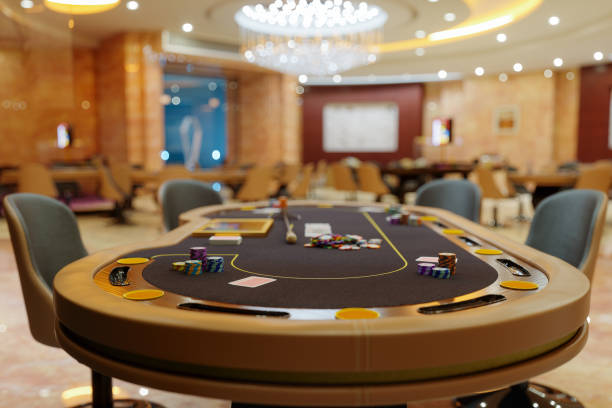
In ancient Rome, gambling was not only a pastime but also a means of socialization, as it brought people together in public spaces. Romans enjoyed a variety of games, including betting on gladiator fights and other sports. This societal acceptance of gambling fostered a culture of risk-taking that would echo through the ages, eventually leading to the establishment of formal gambling establishments. Such historical practices highlight how gambling has always been intertwined with human interaction and entertainment.
Moreover, the introduction of card games in the Middle Ages marked a significant evolution in gambling. These games, believed to have originated in China and spread to Europe, introduced new strategic elements to betting. As card games gained popularity, they paved the way for the more organized gambling structures that would arise later, further solidifying the historical significance of casinos in shaping recreational activities.
The Rise of Formal Gambling Establishments
The first official casinos began to emerge in the 17th century, particularly in Italy, where the term ‘casino’ itself originated. The Venetian Casino, established in 1638, was one of the earliest examples of a structured gambling venue, catering to the elite of society. This establishment laid the groundwork for casinos as we know them today, offering a variety of games under one roof and creating a controlled environment for gambling.
As the popularity of gambling spread across Europe, other countries followed suit, leading to the establishment of numerous gambling houses. In France, casinos gained traction, leading to the introduction of games like roulette and baccarat. These innovations not only attracted wealthy patrons but also made gambling a more mainstream social activity. This shift marked the transformation of gambling from a clandestine activity into an accepted form of entertainment.
The 19th century saw the expansion of casinos into the United States, particularly with the Gold Rush that drew people to the West. Gambling quickly became a staple in places like Nevada, with Las Vegas emerging as a central hub for casinos. The combination of entertainment, dining, and luxury accommodations began to attract visitors far beyond those seeking to gamble, showcasing the evolution of casinos into multifaceted entertainment venues.
The Modern Casino Experience
In the 20th century, casinos underwent a dramatic transformation, driven by technological advancements and changing societal attitudes toward gambling. The introduction of electronic gaming machines in the 1960s revolutionized the gambling experience, allowing for a more accessible and user-friendly way to engage with casino games. Slot machines became particularly popular, drawing in players who were looking for quick entertainment and the thrill of winning without the complexities of traditional table games.
Furthermore, the legalization of gambling in various states across the U.S. led to the proliferation of mega-casinos. Las Vegas, in particular, evolved into a glamorous destination, where themed casinos and luxurious amenities created a unique atmosphere. The integration of live entertainment, high-end dining, and extravagant shows transformed the casino experience into a comprehensive lifestyle choice, appealing to a broader audience beyond just gamblers.
The rise of online casinos in the 21st century has further changed the landscape of gambling. With the advent of the internet, players now have access to a vast array of games from the comfort of their own homes. This shift not only increased participation rates but also created new challenges for regulatory frameworks aimed at ensuring fair play and security. Online platforms have introduced innovations such as live dealer games, bridging the gap between in-person and digital experiences.
Economic Impact of Casinos on Society
The economic implications of casinos extend far beyond their immediate revenue generation. In regions where casinos are established, they often serve as significant job creators, providing employment opportunities in various sectors, from hospitality to entertainment. This influx of jobs can boost local economies, leading to increased spending and investment in surrounding communities. As a result, many governments have recognized the potential of casinos as vital economic engines.
Moreover, the taxation generated from casino operations can be substantial, contributing to public funding for infrastructure, education, and healthcare. This financial aspect is often a compelling argument for jurisdictions considering the legalization of casinos. Additionally, the tourism sector benefits greatly, as casinos attract visitors from distant places, further enriching the local economy and enhancing cultural exchange.
However, the economic benefits come with challenges. Critics argue that casinos can lead to social issues, such as gambling addiction and crime. Balancing the economic advantages with responsible gambling measures is crucial for sustainable casino operations. Many establishments are now actively engaging in community outreach programs and promoting responsible gaming initiatives to address these concerns while still contributing positively to the economy.

Exploring Kiwis Treasure Casino
In the contemporary landscape of online gaming, Kiwis Treasure Casino stands out as a premier destination for players in New Zealand. Offering a diverse selection of over 1,200 games, including pokies and live dealer options, it embodies the modern evolution of casinos, where convenience meets entertainment. The platform caters specifically to the needs of New Zealand players, ensuring a tailored experience that resonates with local preferences.
New users can benefit from generous welcome bonuses, including up to NZ$1,000 and 250 free spins, making it accessible for newcomers to engage with a vast array of gaming options. The user-friendly interface and fast withdrawal processes enhance the overall gaming experience, providing a secure and engaging environment for players. This emphasis on customer satisfaction reflects a growing trend among online casinos, prioritizing user experience to foster loyalty and enjoyment.
With licenses from reputable regulatory bodies like the Alderney Gambling Control Commission, Kiwis Treasure Casino ensures a safe and secure gaming environment, making it a trustworthy option in the bustling online casino market. As the gambling industry continues to evolve, this platform represents a fusion of traditional gaming appeal and modern technological advancements, illustrating the ongoing journey of casinos from their ancient roots to contemporary entertainment hubs.
